
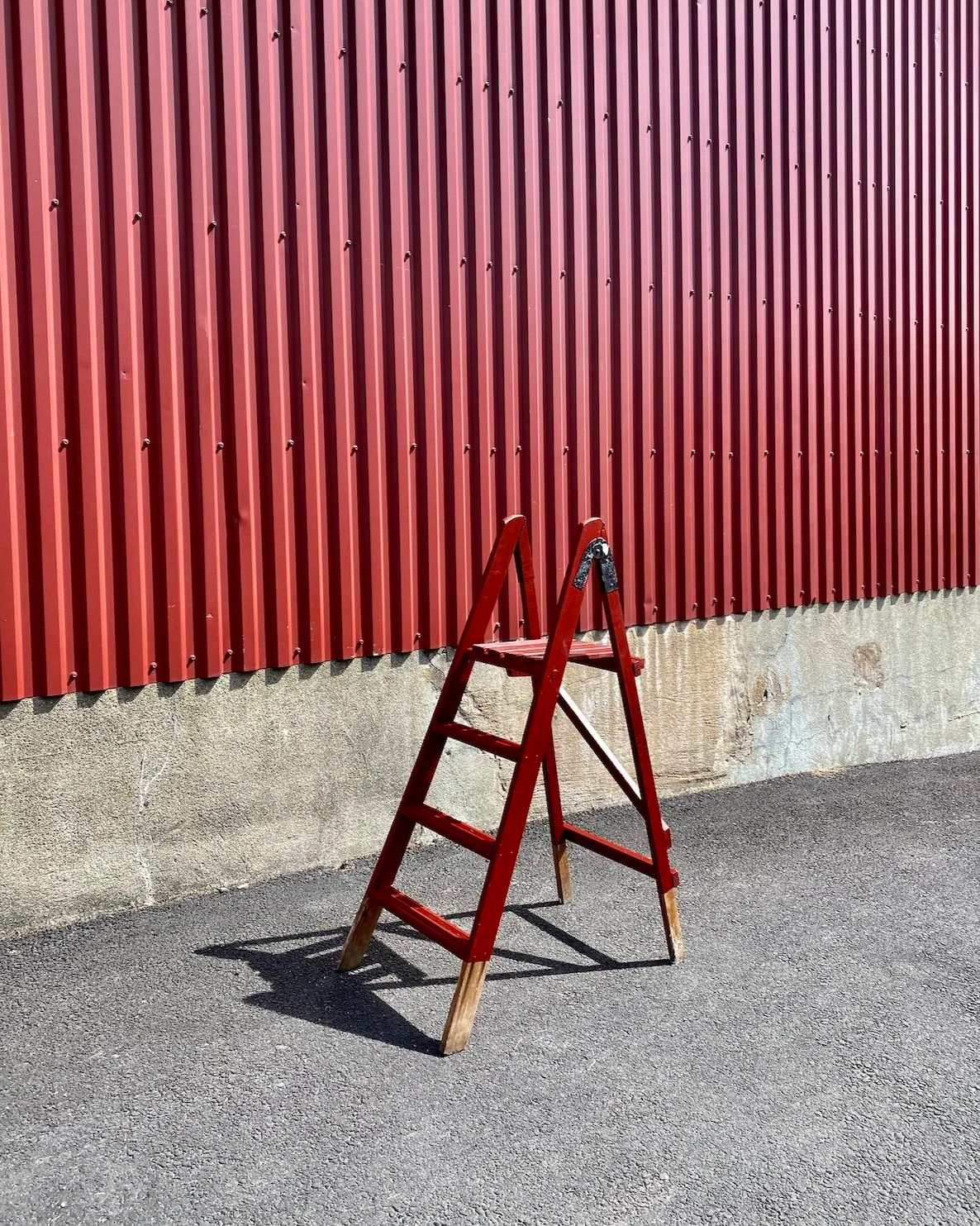
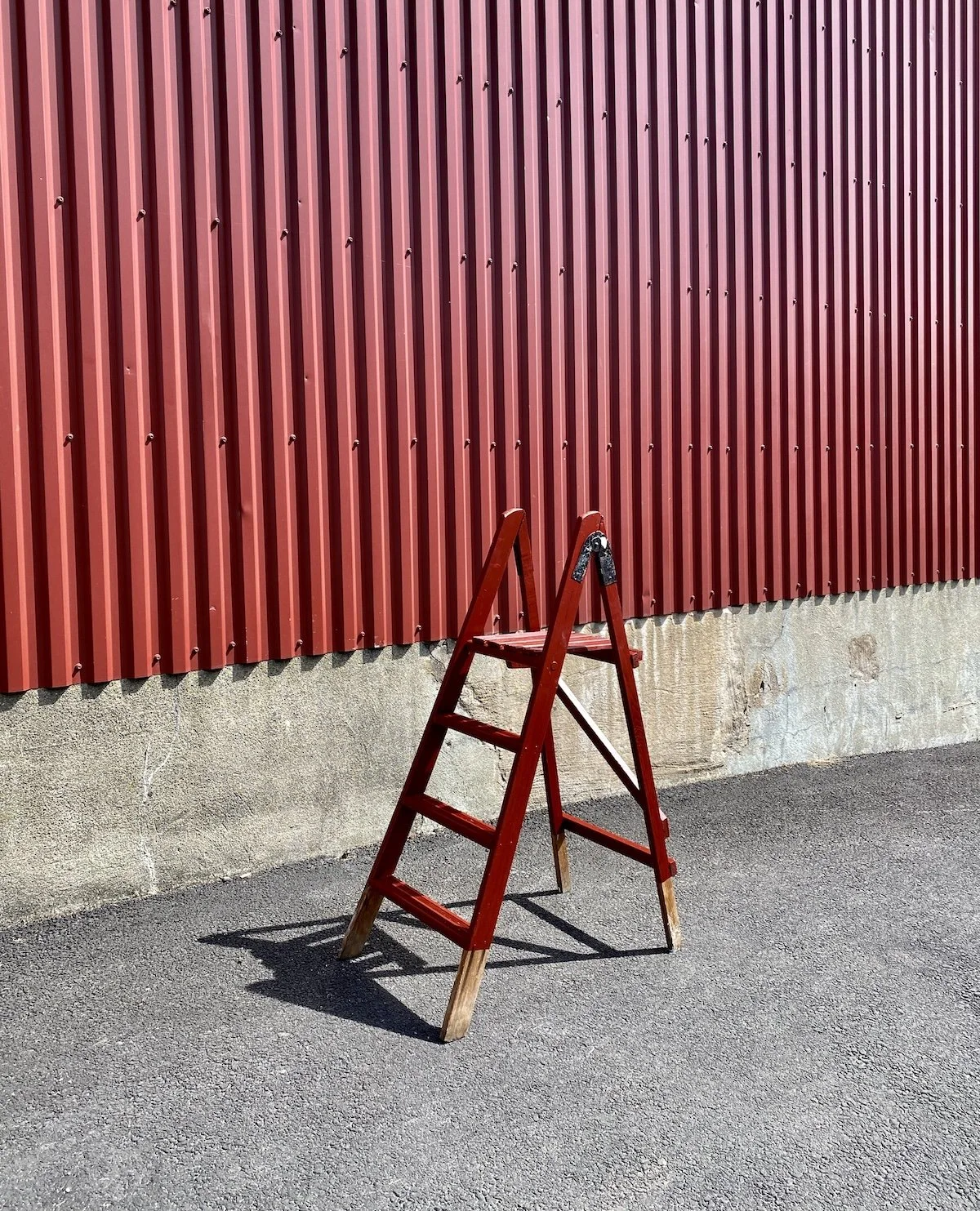
RED LADDER STUDIO
Dharma for creatives
What happens when Dharma practice and creativity are treated as one and the same thing, rather than two separate callings?
That's the question Red Ladder Studio exists to explore — a small retreat centre in the beautiful countryside of southern Sweden, and, as far as we know, the only place doing exactly this.
Our retreats bring Dharma and art together, or take a creative approach to practice itself, in small groups of no more than 10.
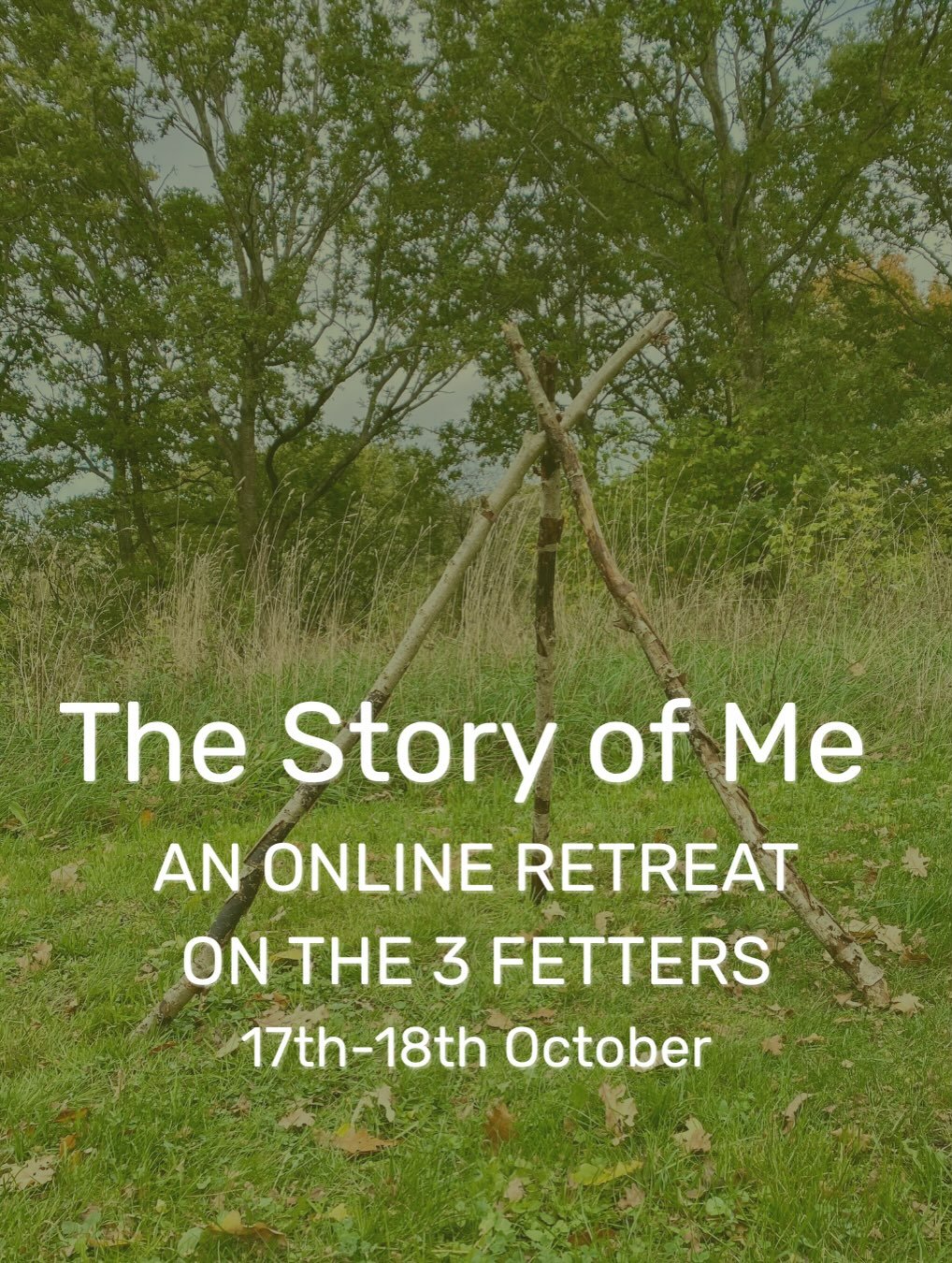
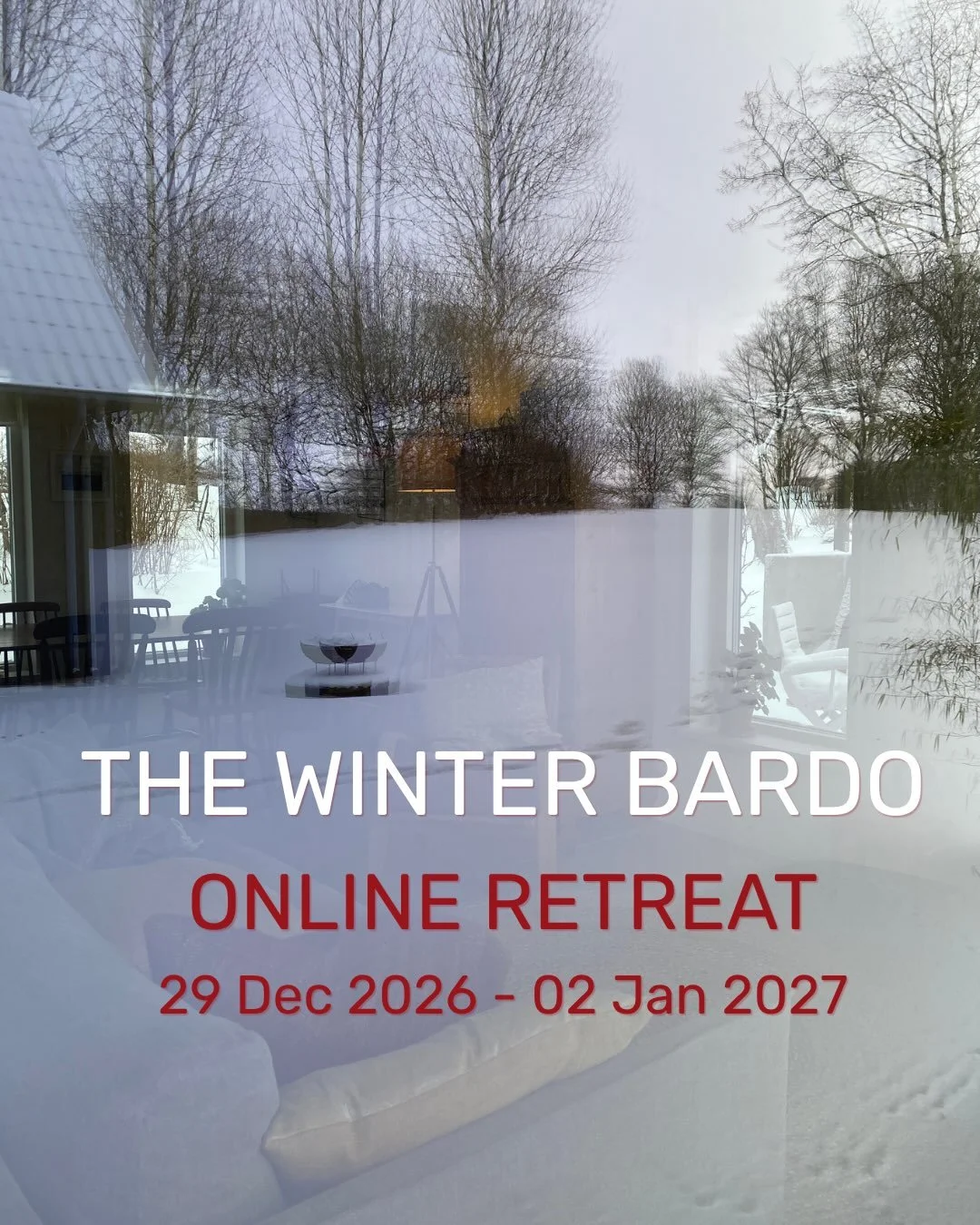
For those who can't make it to Sweden, we also run online retreats and workshops, including creative qigong.
If you'd rather come and do your own thing, we have a guesthouse for solitaries or holidays, and "Red Ladder Studio Stays" for those who want time and space to work on a creative project.
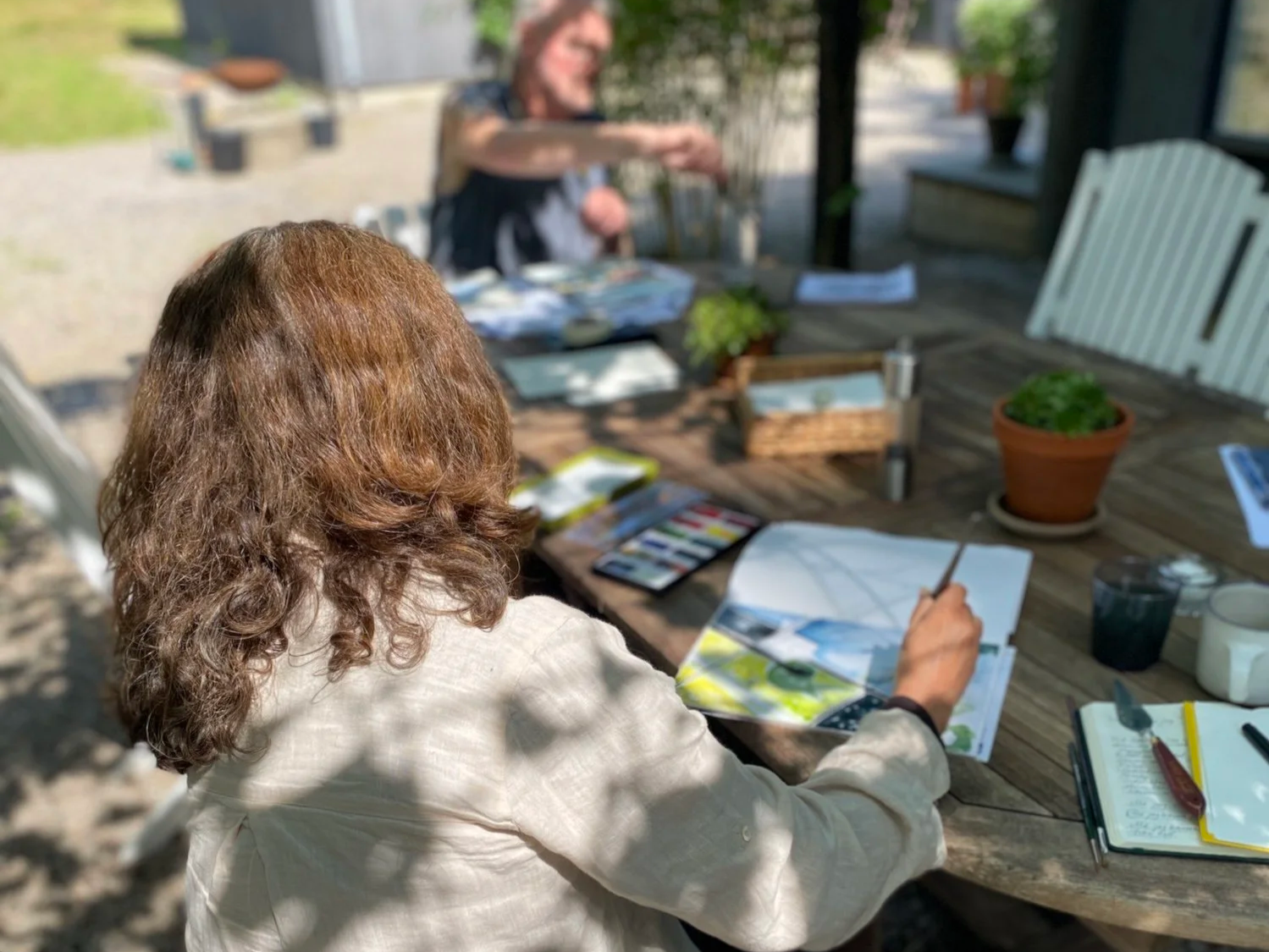
We've come to believe beauty matters — the garden, the food, the way a space is laid out — because the environment supports practice, and is part of it. Come and share what creative Dharma is to you.
Where creativity meets Buddhist practice
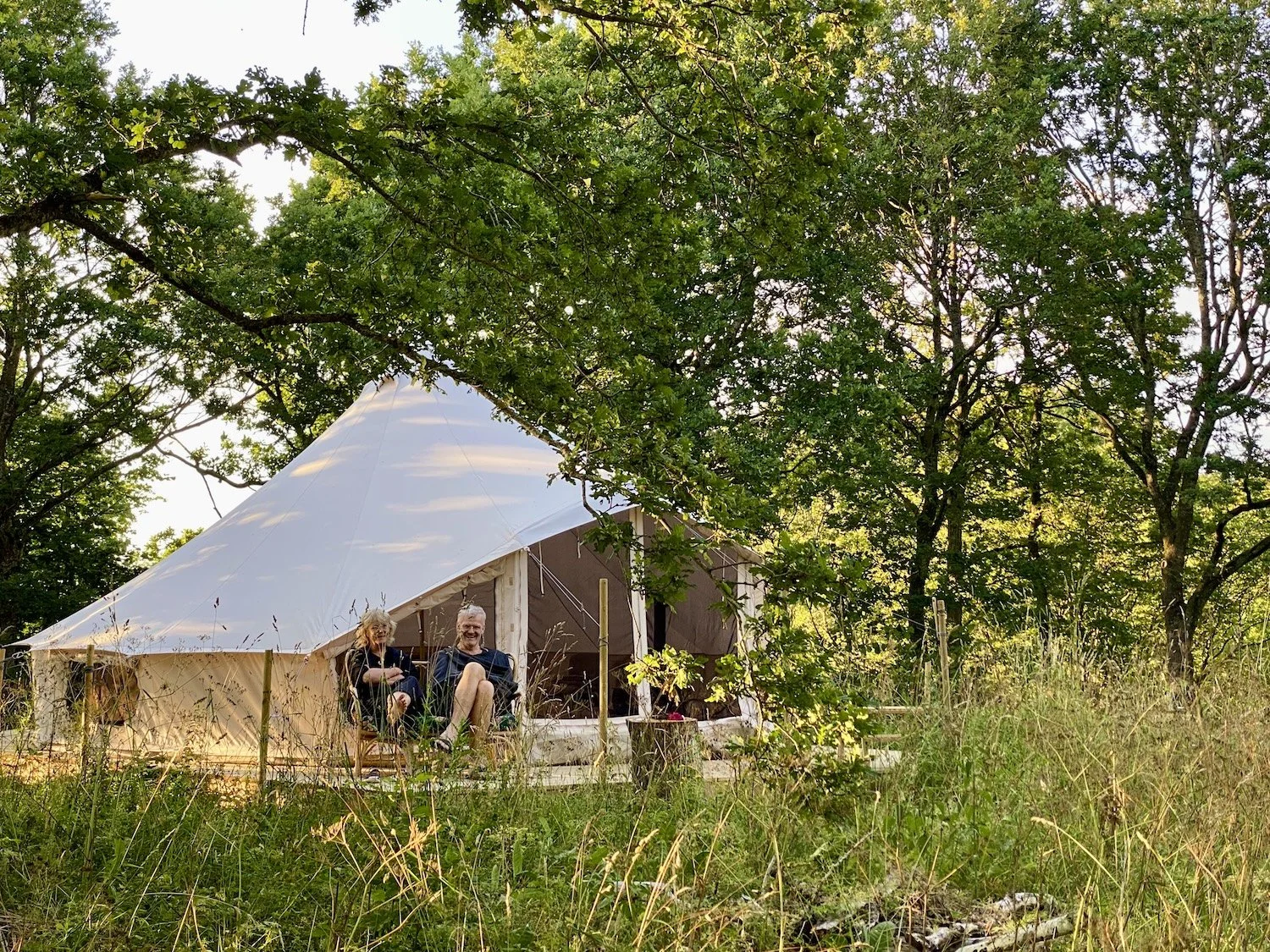
Retreats in Sweden
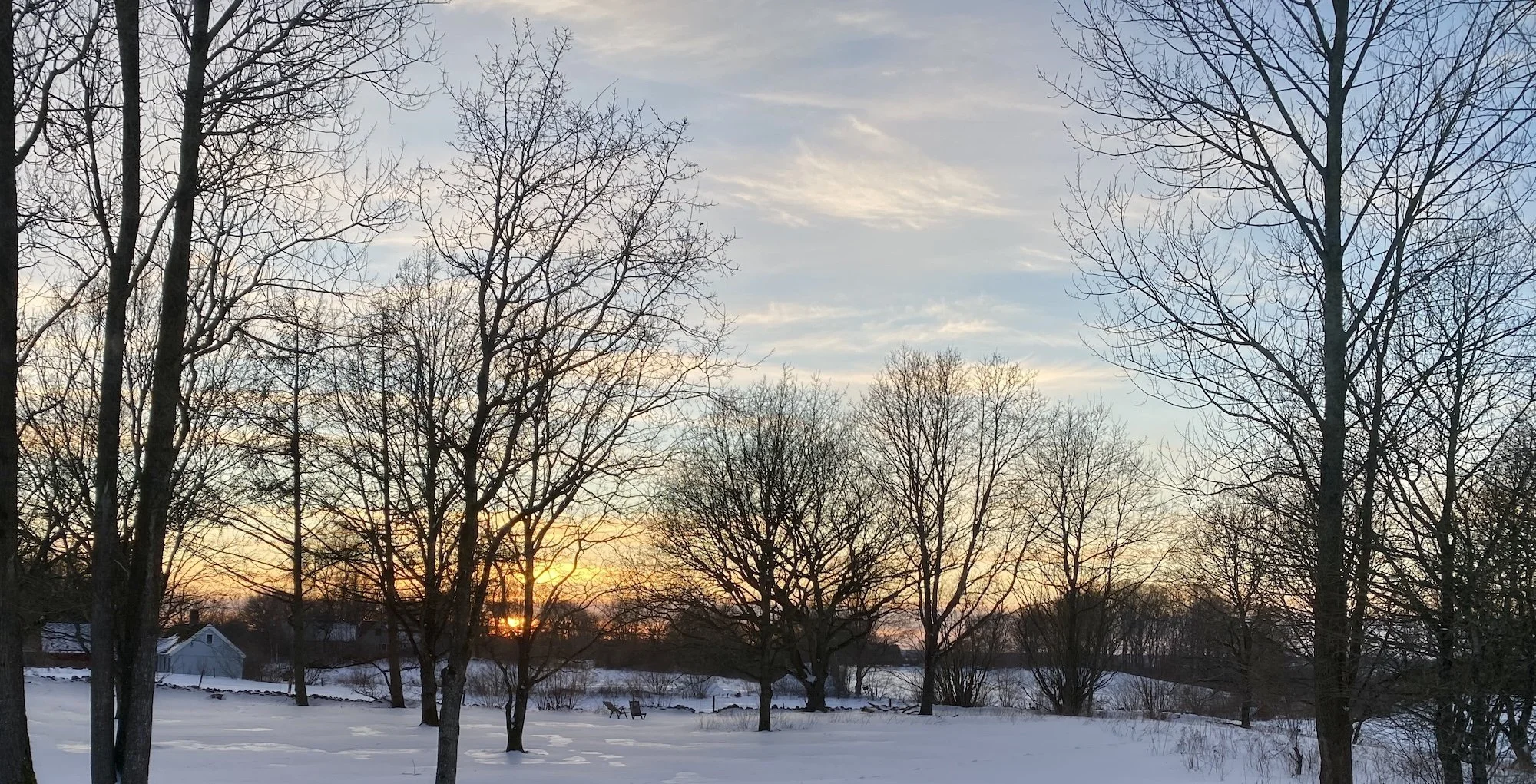
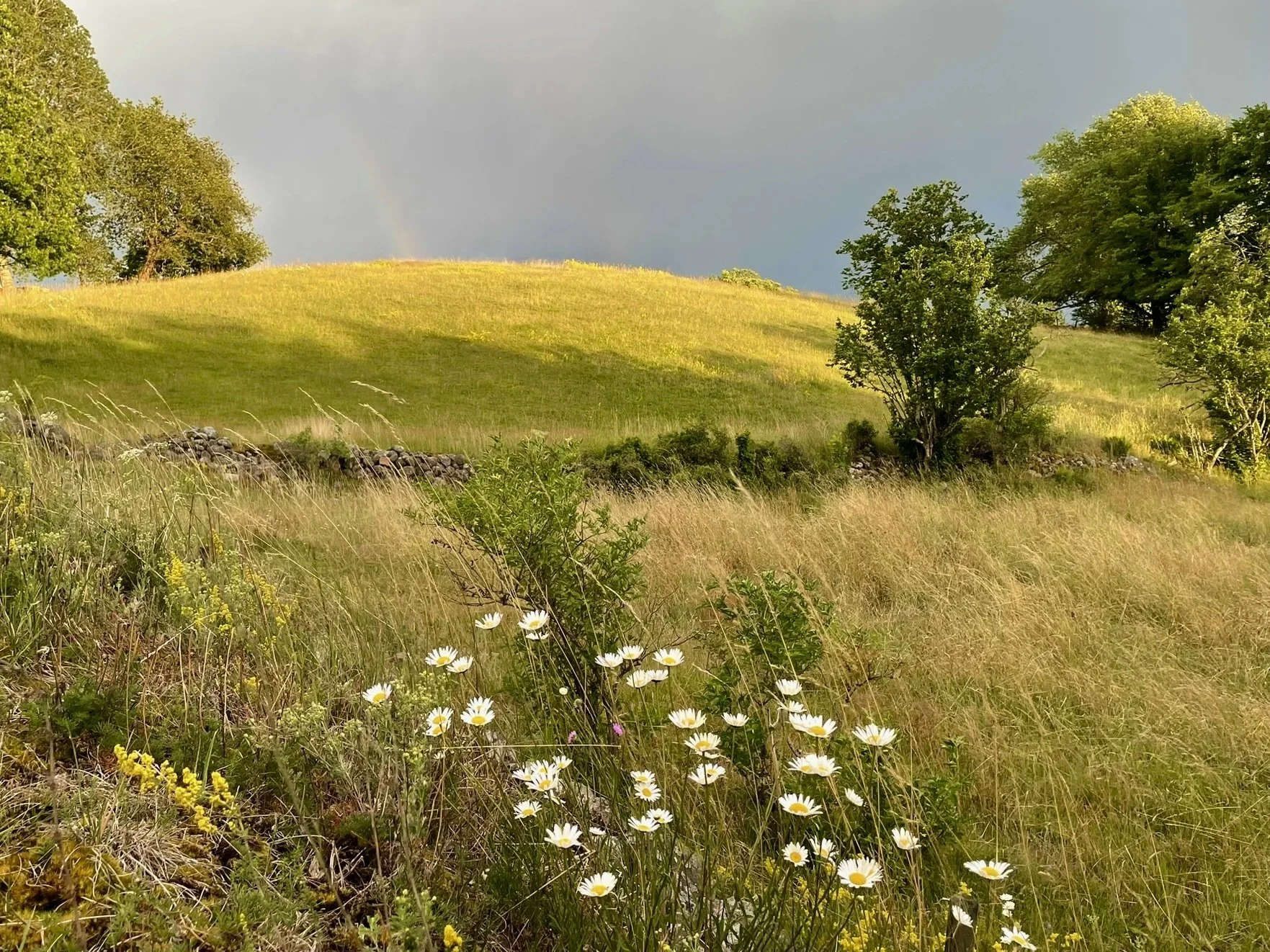
Red Ladder Studio is a lovingly tended house and garden in southern Sweden, where Dharma practice and creativity meet.
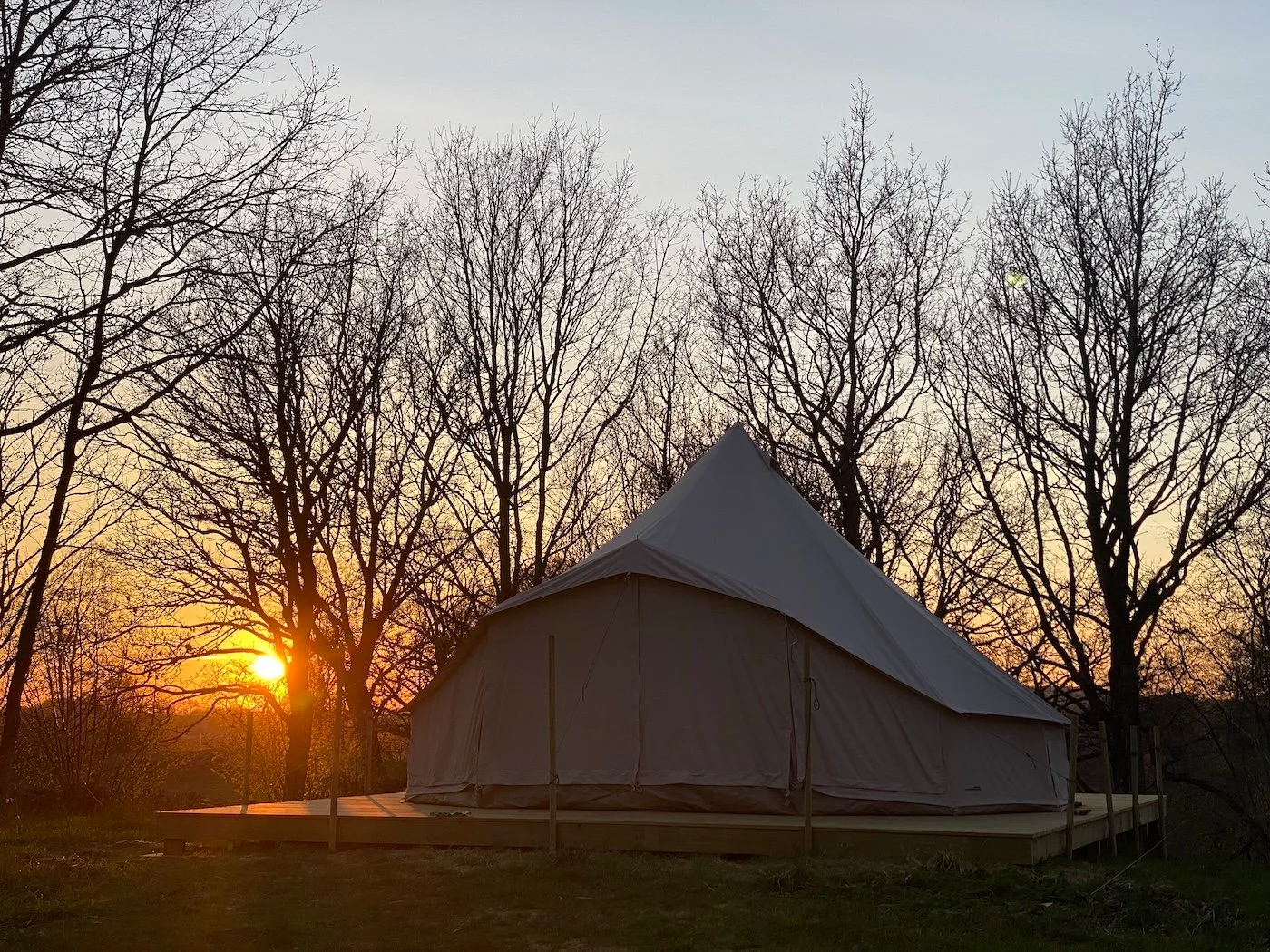
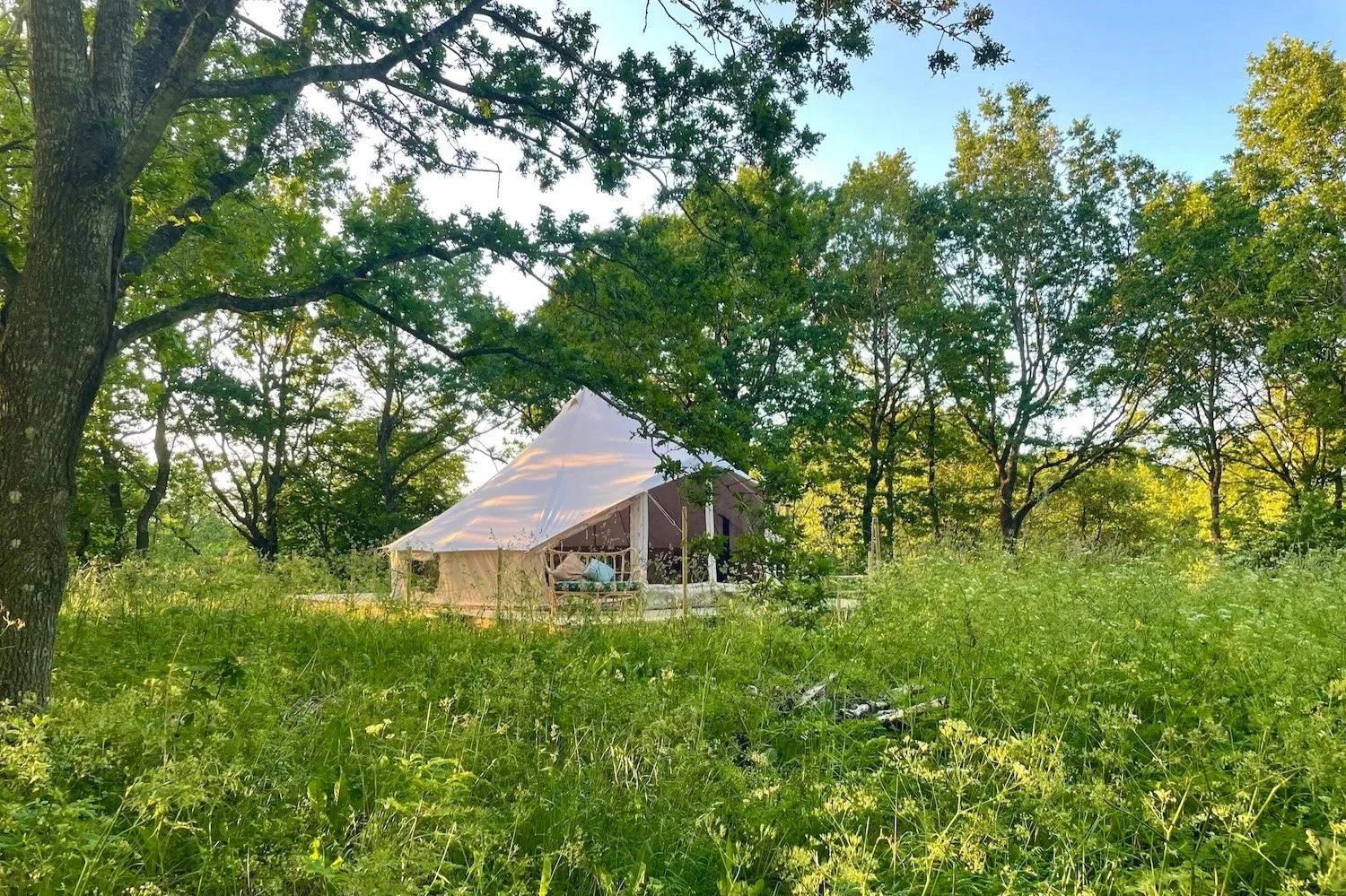
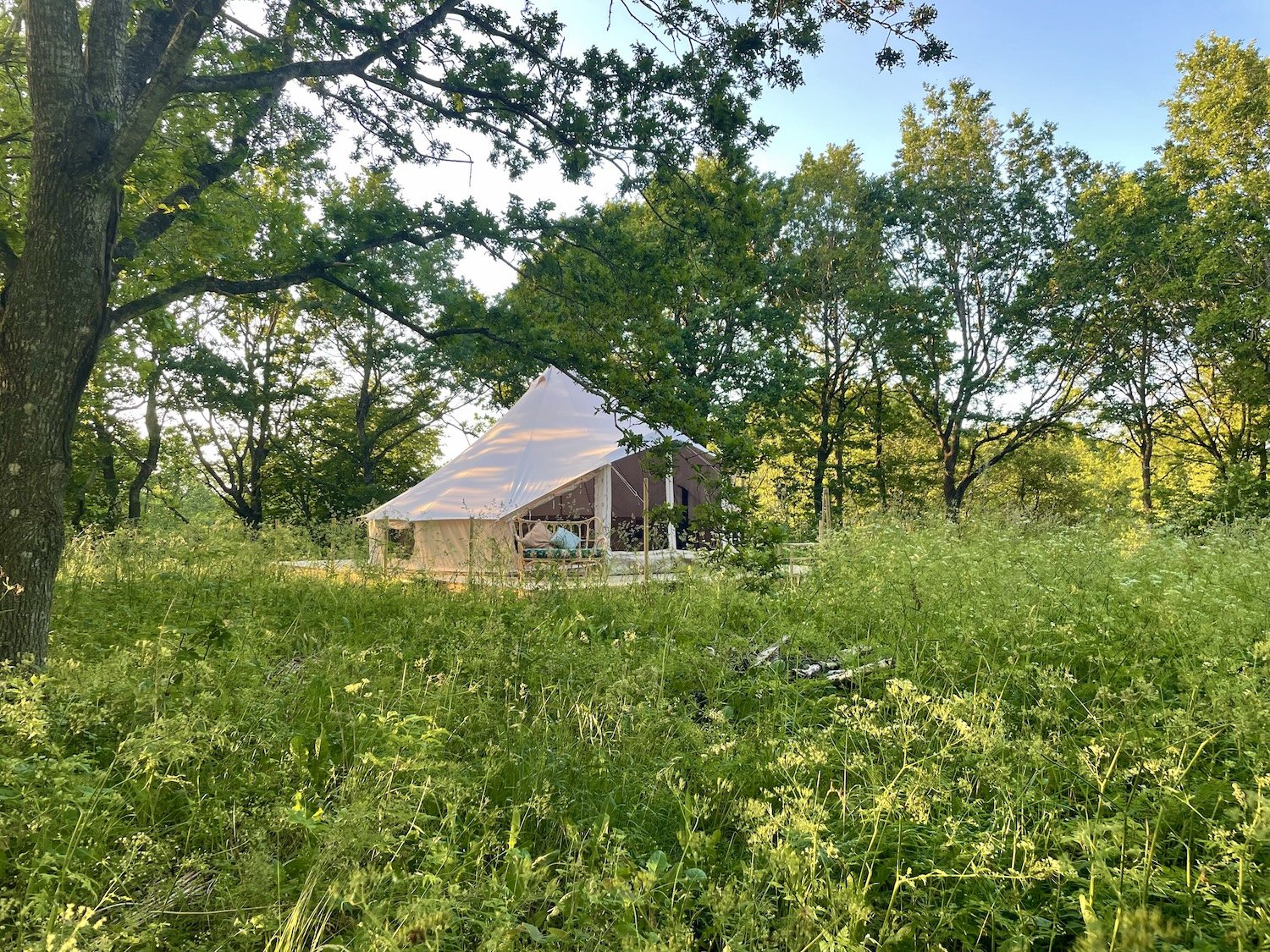
Mornings begin in the meditation tent and unfold over brunch under the pergola, moving into Dharma study. Evenings wind down with simple rituals and a woodfired sauna.
It's a place to slow down, be nourished, and inspired, all in good company.
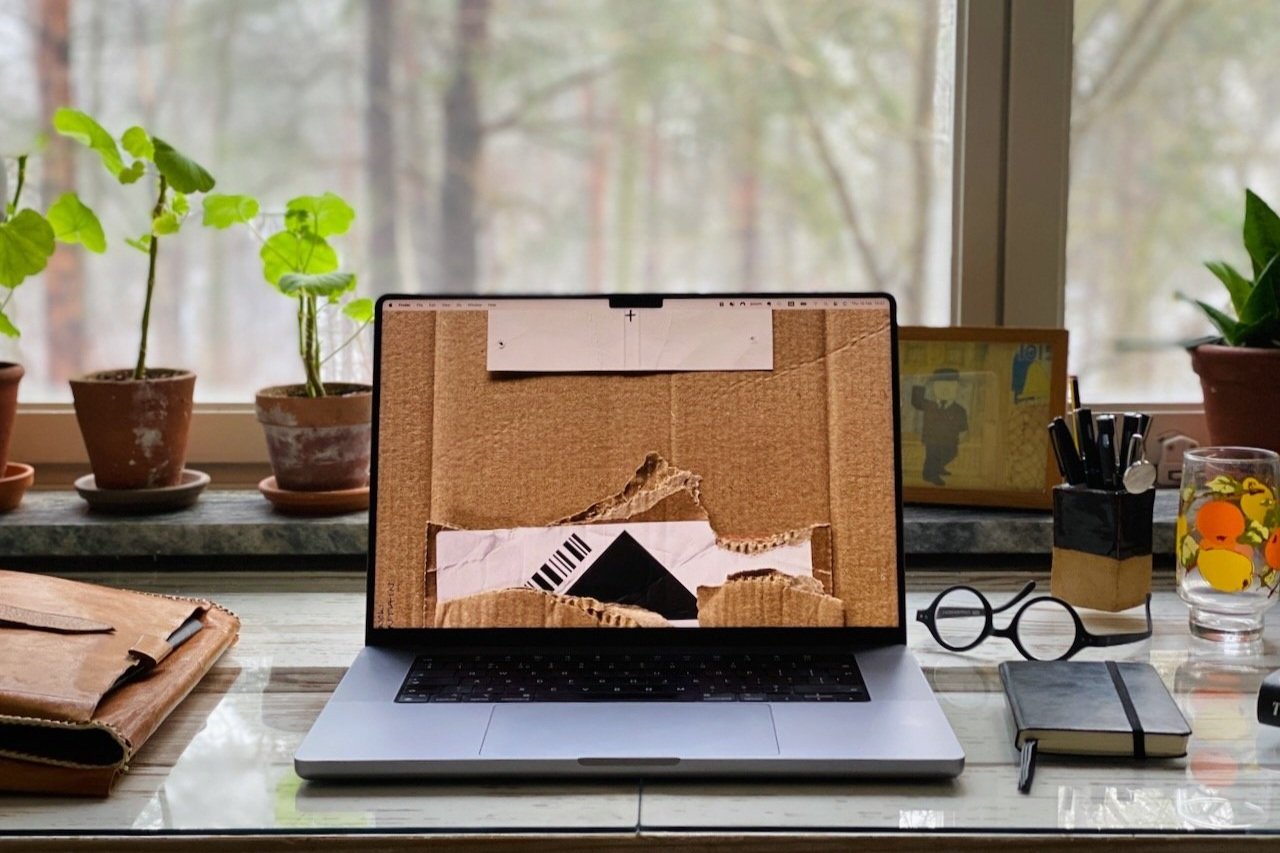
Online offerings
Can't make it to Sweden? Join us online instead.
We run online retreats, workshops, and creative qigong classes, all rooted in the same approach — bringing Dharma and creativity together to generate new perspectives.
Wherever you are, you can carve out space to sit, move, and make, without leaving home. It's creative Dharma, brought to you.
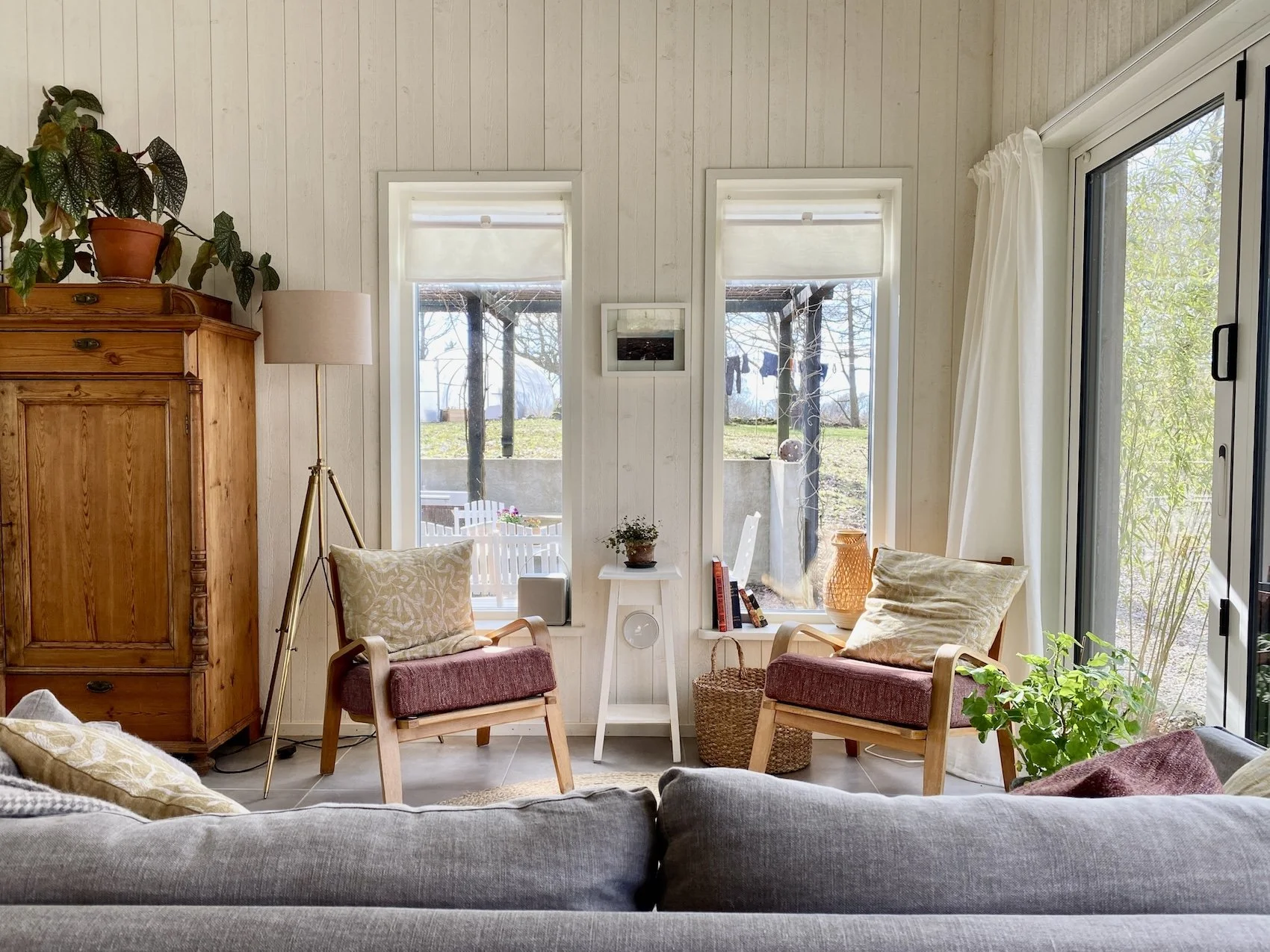
Do your own thing
Prefer to do your own thing, but with a little support?
Rent our guesthouse for a solitary retreat or a quiet holiday, alone or with friends.
Or book a Red Ladder Studio Stay if you'd like time and space to work on your own creative project.
Either way, you'll get to enjoy the garden, the meditation space, and all our facilities — no programme to follow, just room to find your own rhythm.

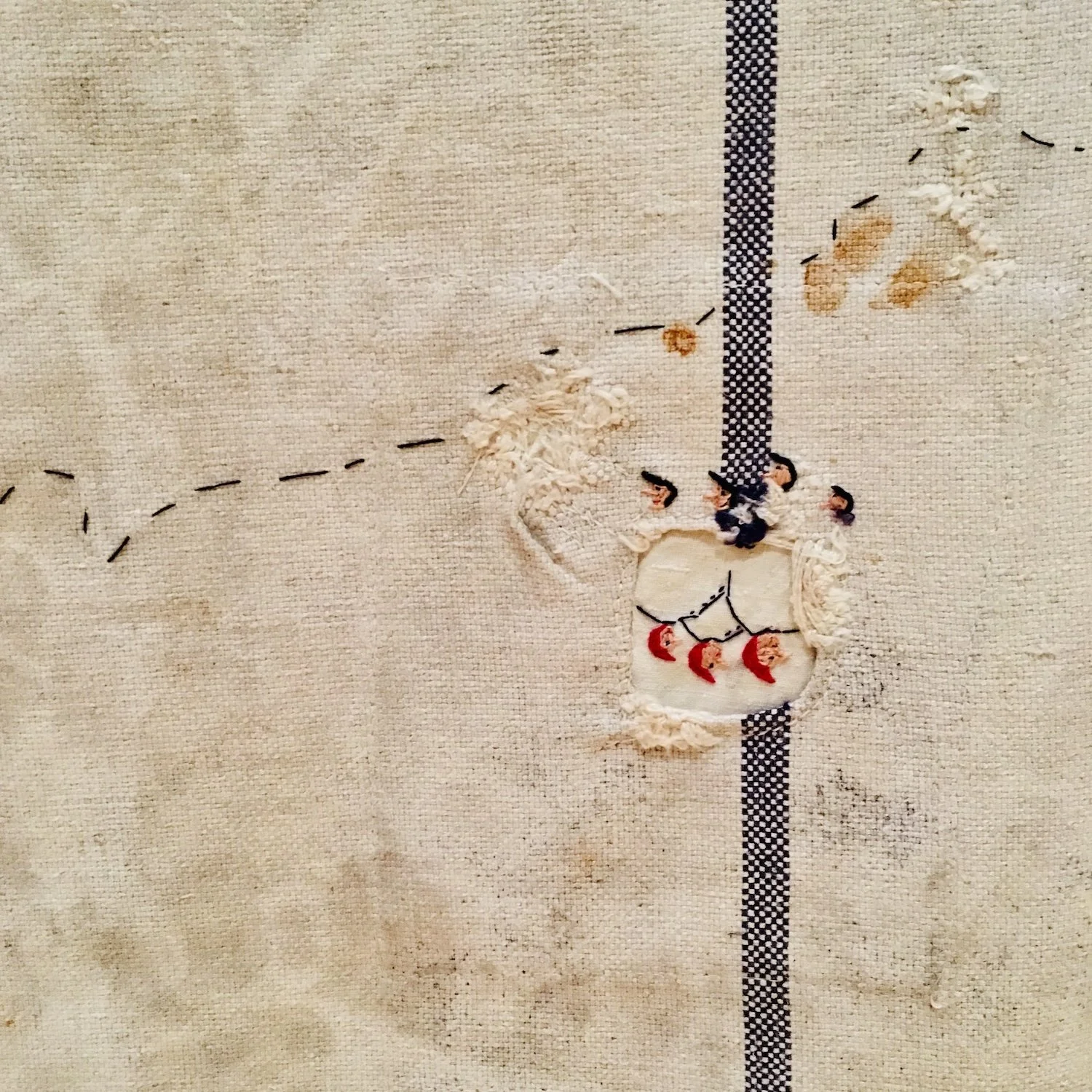
Download your free guide to Wabi-sabi Dharma

Writing
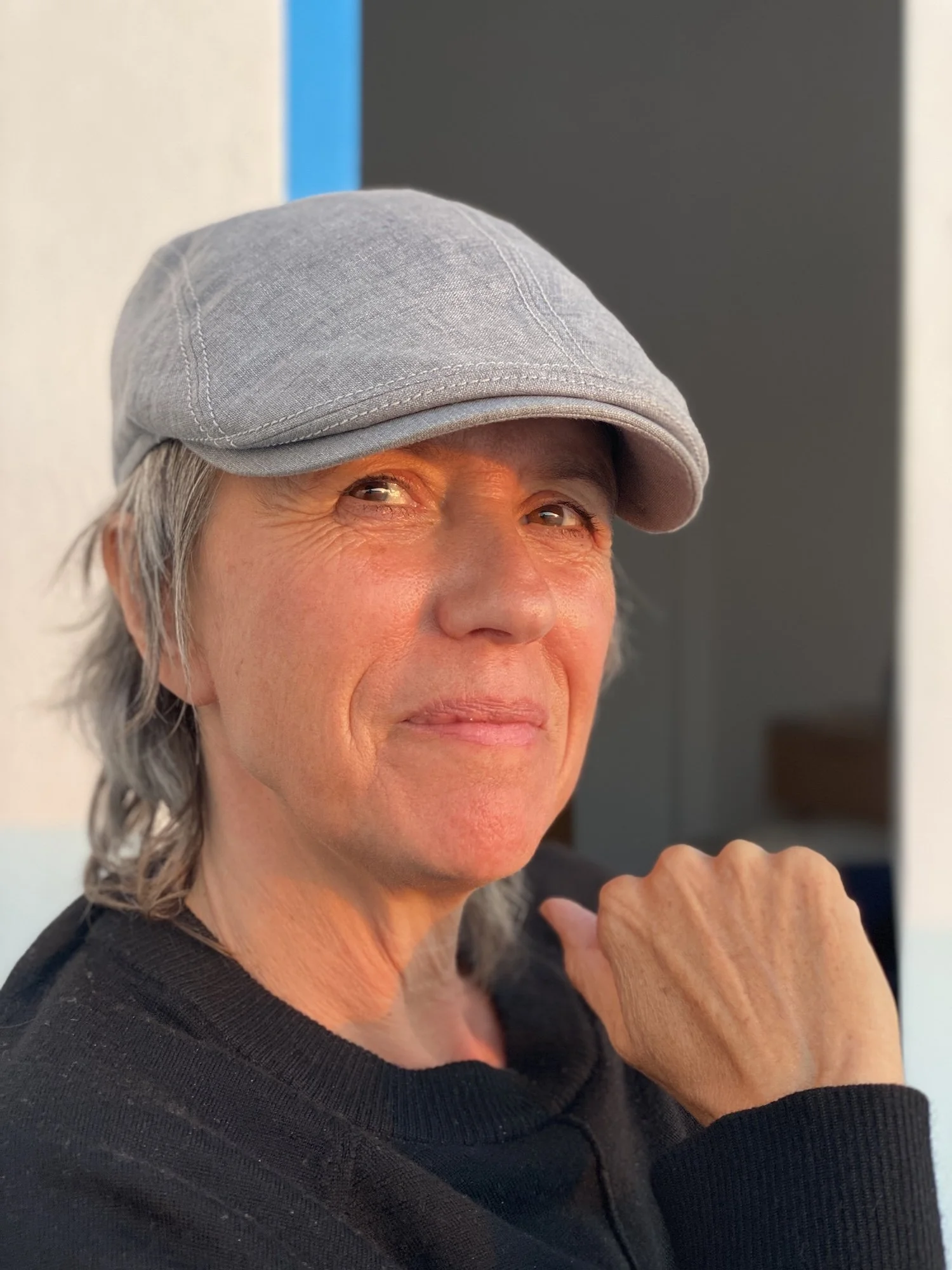
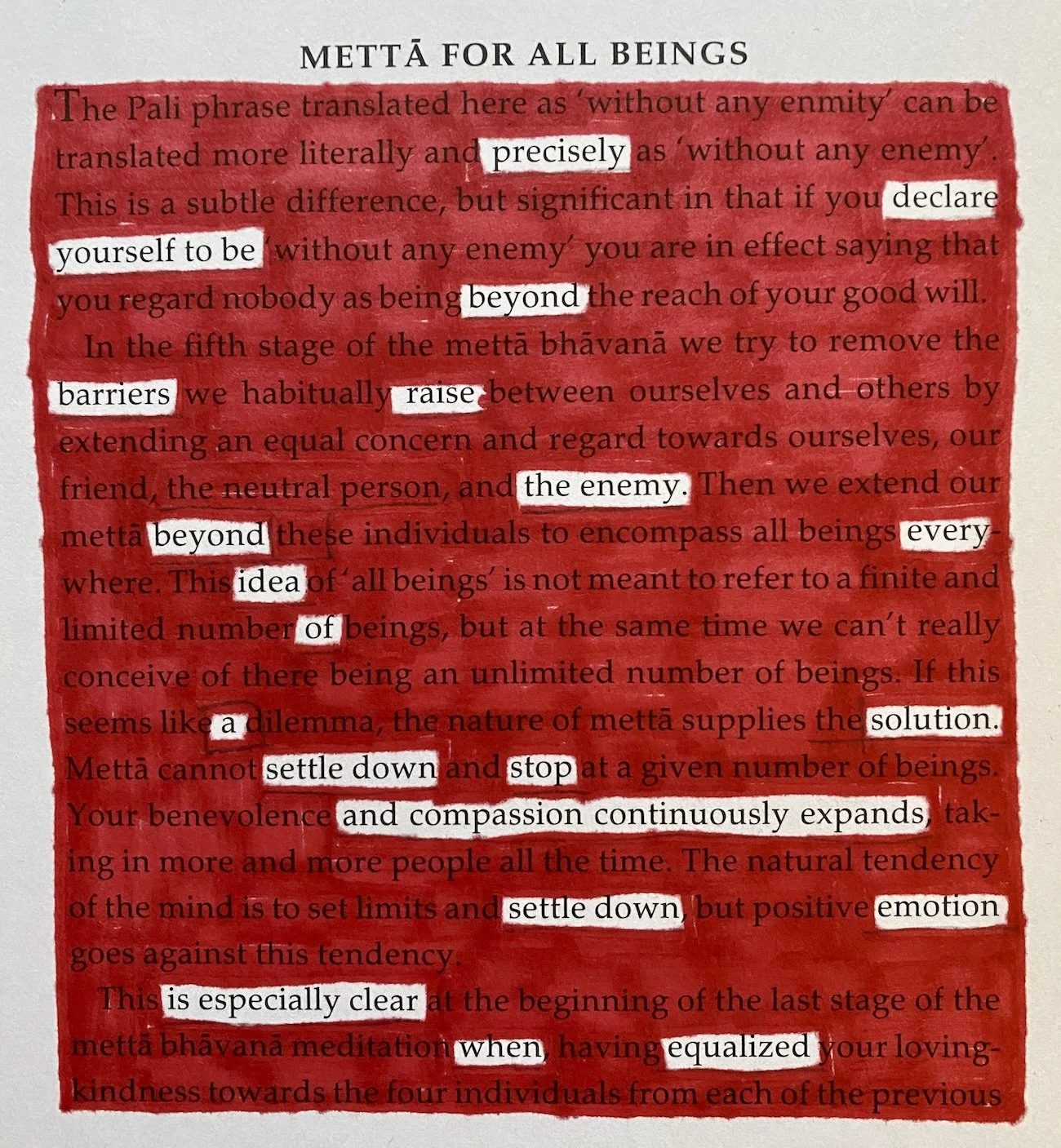
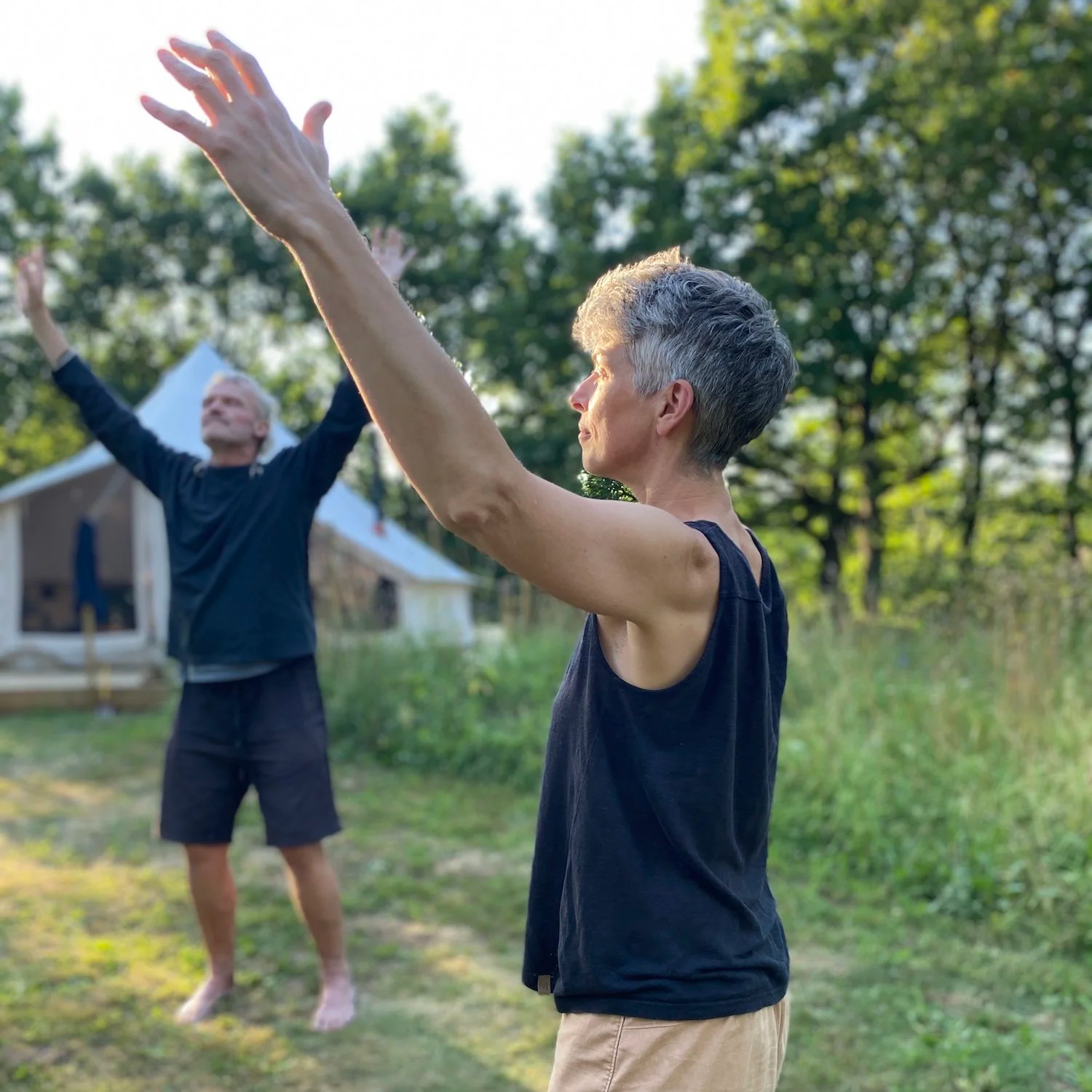
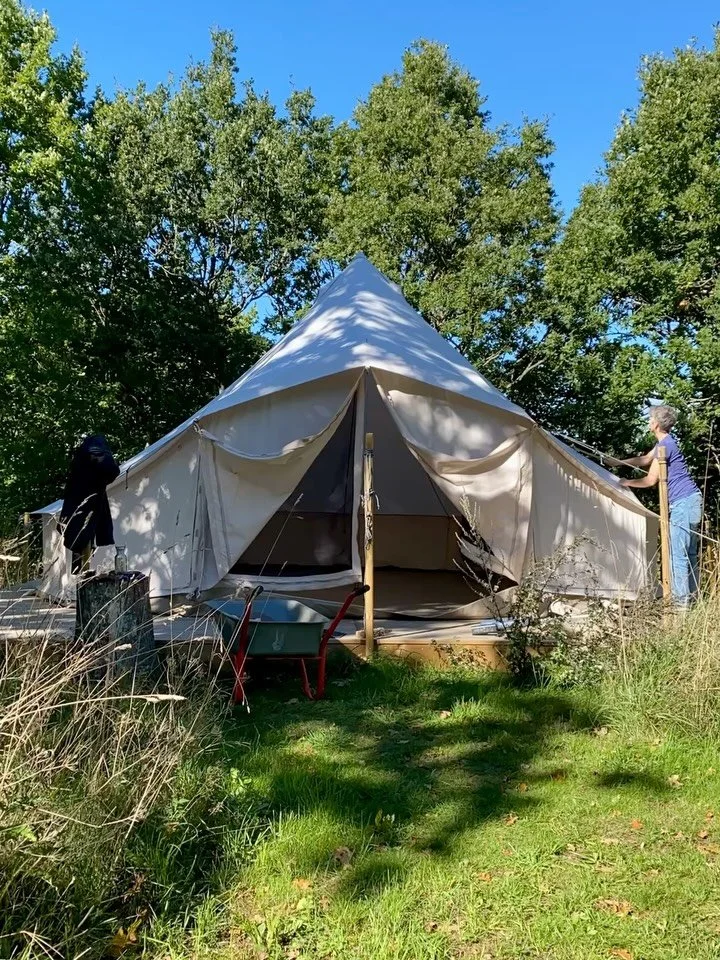
Rivendell Retreat Centre, UK - This retreat is an invitation to look closely at how experience takes shape—how we see, feel, and make meaning of the world around us. When we begin to see the extent to which we are creating our world, we can begin to choose—consciously and creatively—to shape a world of beauty and meaning.